Field note · 29 July 2026
A low-volume node is a corridor, not a shelf
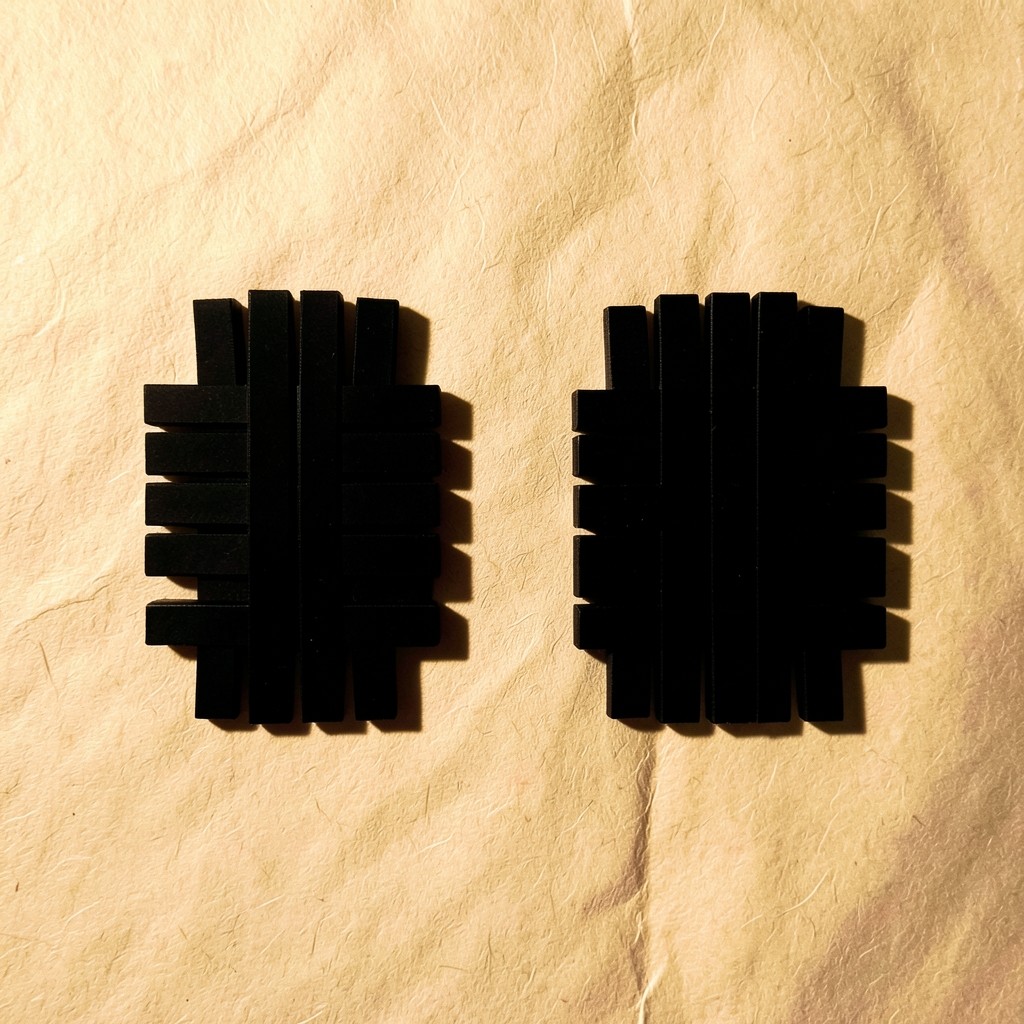
A low-volume node is a price, or a short run of prices, where the session did little business. On the sheet it is a notch: the bars shrink, sometimes to almost nothing, between two thicker stacks. New seat holders like to treat that notch as a shelf, a place price should stop. The prints usually disagree. Thin prices are where the auction travelled, not where it rested.
Rest happens where participation is heavy. That is the high-volume node, and over a whole session it is often the neighbourhood of the point of control. The thin spot is the corridor between neighbourhoods. Price can cross it quickly because there was not much two-way trade to slow it down. When the same thin spot appears on several days of a composite, the corridor is a fact about more than one auction. It is still a corridor.
The mistake we see on worksheets is a bracket drawn around the thin prices with the word “hold” beside it. We ask for a different mark: an arrow through the notch, and a note of which thick area price came from and which thick area it reached, if it reached one. If it did not reach one, and the profile shows a rejection back to the origin, that rejection is the fact worth writing down. The thin prices themselves did not provide a seat.
Single prints are the extreme case, a corridor only one print wide. They matter because they show how little business was done on the way through. They are not a souvenir to trade against by reflex. In the Reading Studio we leave extra margin on the Wednesday sheet so a single-print run can be marked without crowding the value-area shading. Several people have asked for still more room. The next printing run widens that margin.
If you only remember one sentence from this note, keep this: thick prices are where the market agreed to spend time; thin prices are where it passed. The composite workshop on Saturdays is where that sentence gets tested across more than one day.