
Seat stories

What changed on the worksheet, told by the people who held the pencil.

These notes name a class and a specific friction. The page keeps qualitative stories from the room, with the awkward parts left in.

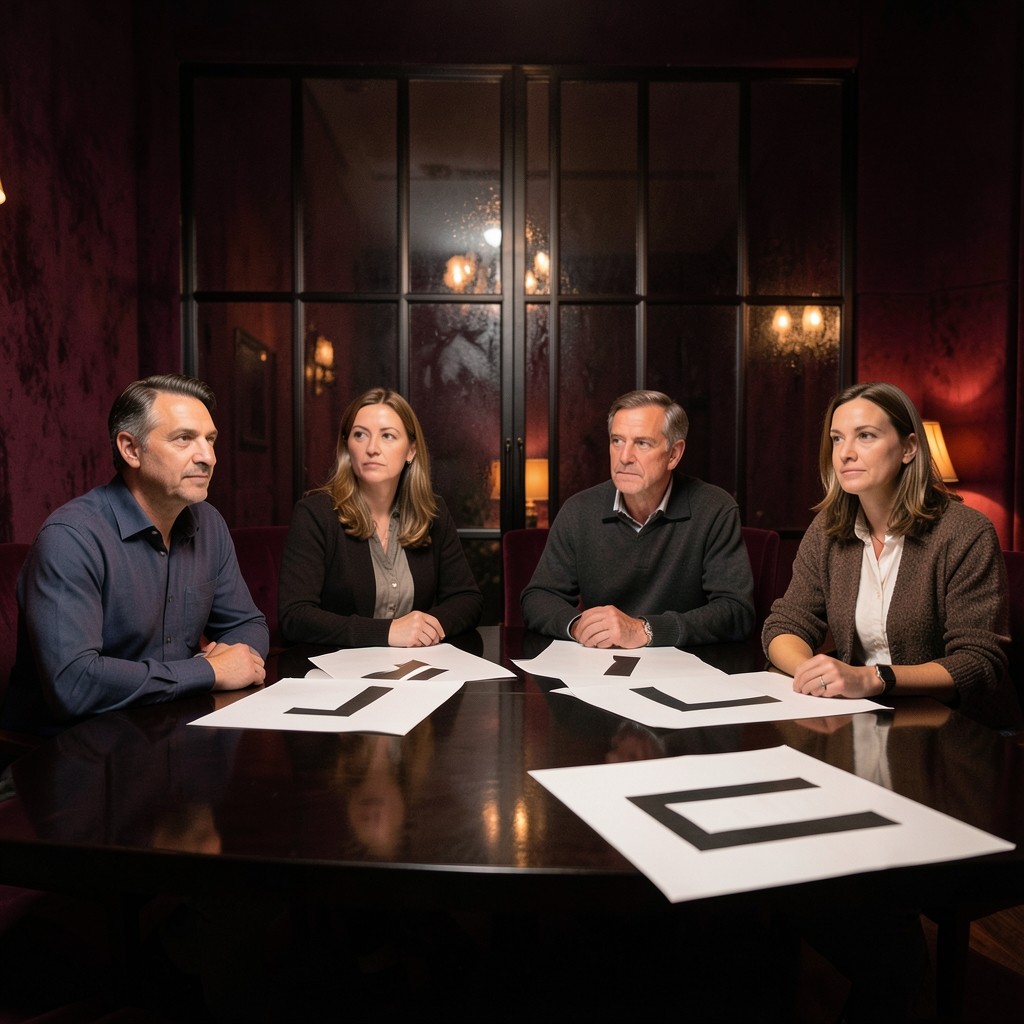
Seat holders along the long table with printed volume profiles in a dim classroom

I came in marking every bar and left marking three things: the tallest price, the edge of value, and whether the push was initiative. The first evening moved faster than I could shade the value area, and I asked Mali to replay the opening twenty minutes. By the third evening I could keep up, though I still wish the worksheet left more room for single-print notes.

Arthit P. · Volume Profile Reading Studio, a September cohort

I brought a Tuesday I had traded badly and expected a lecture. Niran asked me to point at the price where I joined and then at the price where most of the volume actually sat. They were not the same. The ninety minutes stayed on that gap. I did not enjoy seeing it, and I have used the same question on three sessions since.

Helena M. · Market Participation Desk Review

The Saturday composite made a poor high obvious in a way four separate daily sheets had not. Mali’s prints were clean. The room was cold from the air conditioning, which sounds minor until you are sitting still for four hours. The reading itself was the clearest half-day I have spent on unfinished auctions.

Somchai W. · Composite Profile Workshop

I take the 07:30 chair before I open my own screen. Hearing the group name the opening type out loud keeps me from inventing a story in the first ten minutes. One morning the case was a dull balanced open and I almost skipped it. That dull open was the useful one: the early tall bar never left yesterday’s value area, and my worksheet stayed nearly blank, which was the correct result.

Priya N. · Opening Auction Briefing
Two adults at the side table working through a single paper profile

A longer sitting

Krit and three weeks that looked stuck.

Krit S. brought three weeks of a market that felt motionless. The composite showed trade rotating inside a well-built value area, with brief excursions that returned. In the desk review he found he had been fading the edge of that area on almost every excursion, including the ones that left no excess and came straight back.

The hour did not hand him a rule. It handed him a distinction he could see on paper: an excursion that leaves a single thin print is a different participation fact from an excursion that starts to build a new thick node. He still fades some edges. He stopped fading the ones that had already started to thicken. He booked a Saturday workshop the following month to practise the same distinction on a composite he did not already know by heart.